PuriCell im Test 2026: Wirkung, Bewertung und Fazit


Medical Disclaimer
This article is for informational purposes only and does not constitute medical advice. Always consult with a qualified healthcare provider before making changes to your health regimen, especially if you have underlying health conditions.

The River Stent was recently granted FDA Humanitarian Device approval for severe IIH resistant to medical therapy.
This webinar explores the real-world experiences of individuals living with Idiopathic Intracranial Hypertension (IIH) who have used GLP-1 medications as part of their treatment journey.
In this session, IIH patients will share their personal stories about using GLP-1 therapies—discussing what led them to try these medications, the benefits they may have experienced, challenges or side effects they encountered, and how these treatments have impacted their day-to-day lives.
The River Stent was recently granted FDA Humanitarian Device approval for severe IIH resistant to medical therapy.
IIH—sometimes referred to as Pseudotumor Cerebri—is an underdiagnosed and undertreated disorder of elevated pressure within the brain without an identifiable cause. The IIH Practitioner Series is designed for neurologists, neurosurgeons, neuro interventionalists, endovascular surgeons, interventionist radiologists, neuroradiologists, ophthalmologists, optometrists, and ENT specialists. Patients and caregivers are always welcome to attend.
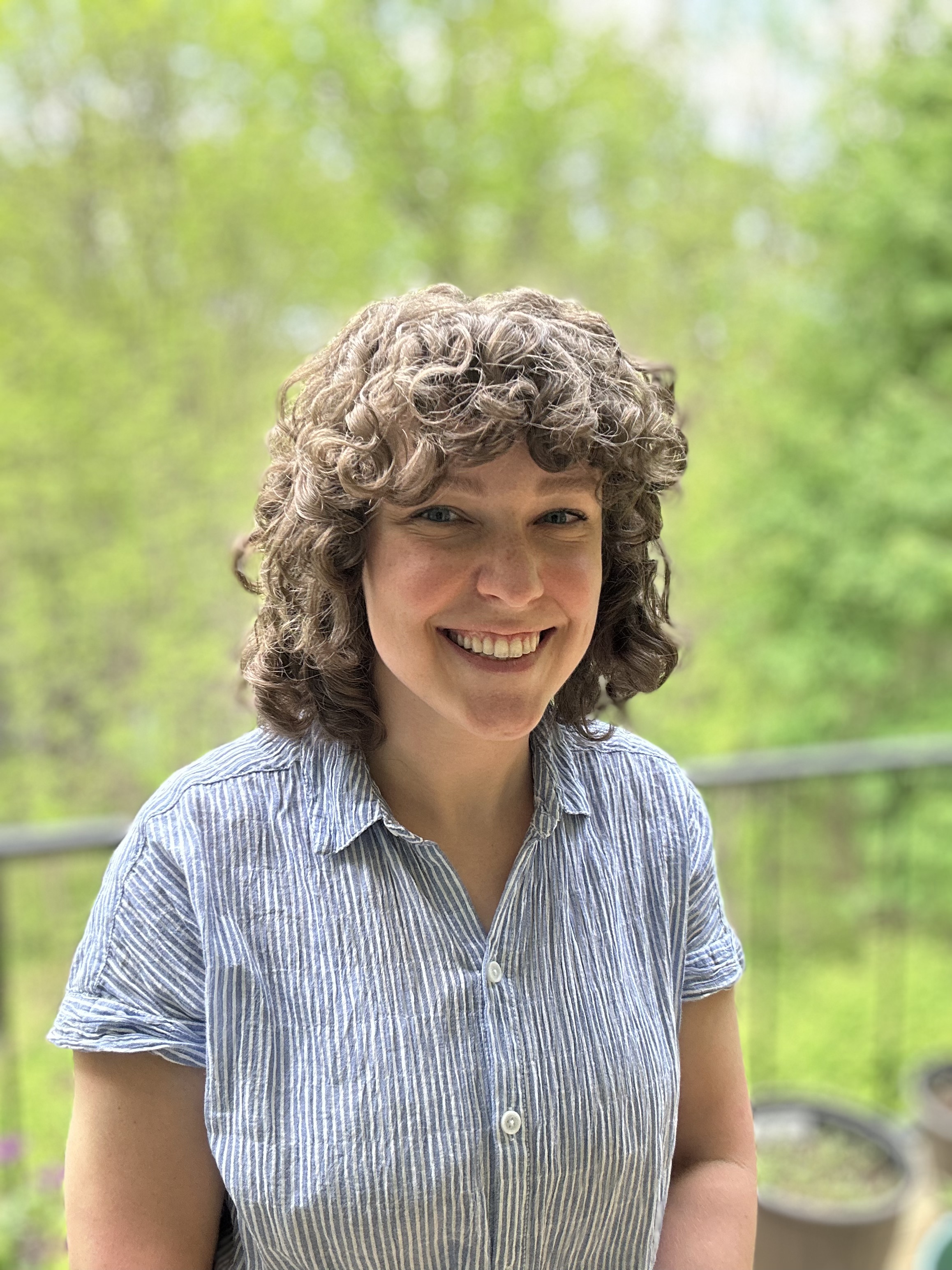
Sean Thompson, MS, MPH, RD, LDN
Registered Dietitian, Nourish
“Based preloads can be a practical tool for bariatric patients who struggle with portion control,” says Sean Thompson, a Northampton-based dietitian with a 4.99-star rating across 385+ reviews. “But I always tell clients: the foundation is still protein-first meals and mindful eating. Think of the gelatin trick as training wheels, not the whole bike. And if you have kidney concerns, check with your doctor — excessive gelatin can be protein overkill.”
Sean specializes in accessible, evidence-based nutrition for individuals with disabilities and those navigating post-surgical diets. She holds dual master's degrees from Tufts University and approaches care without a weight-centric lens.
